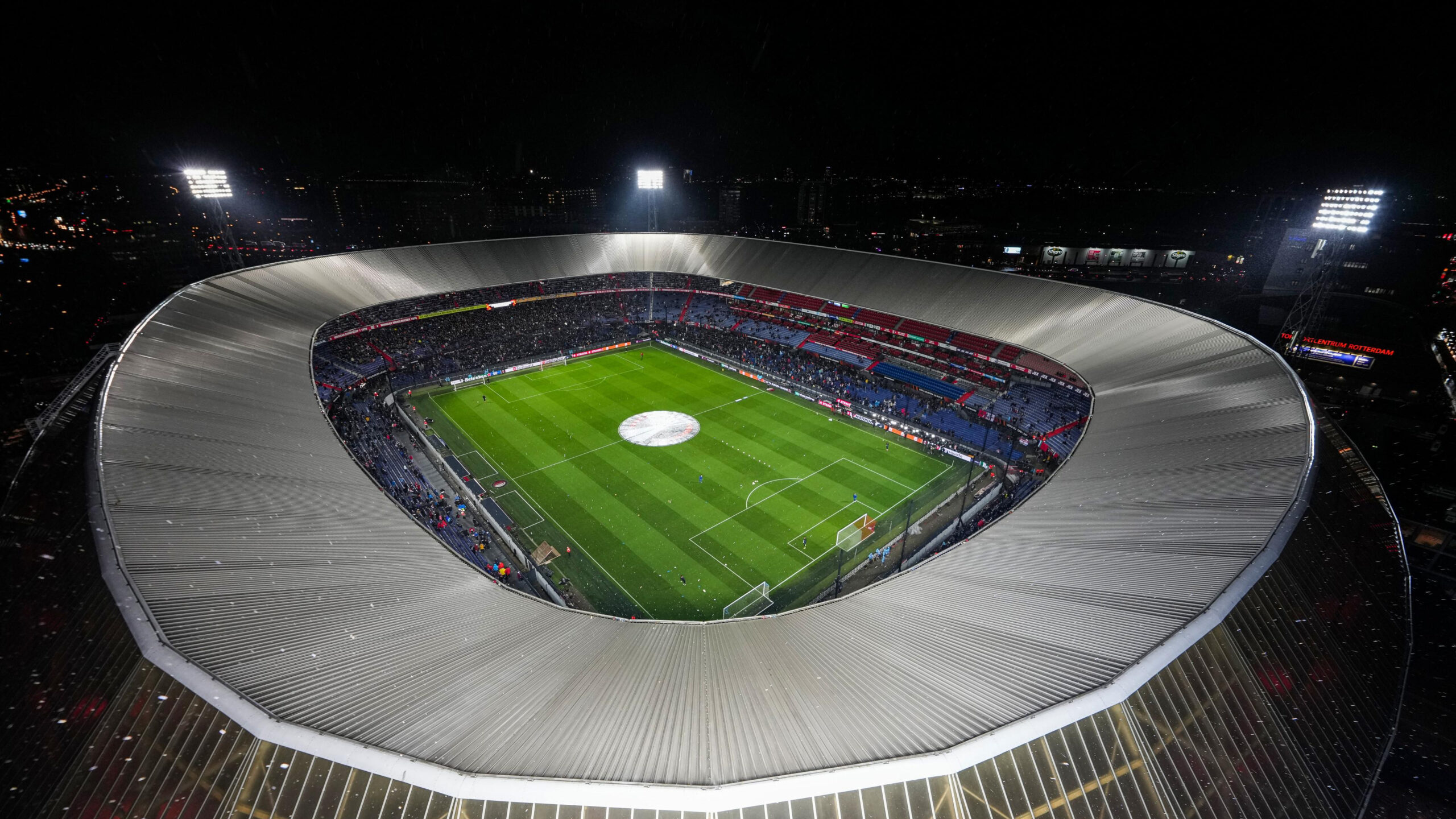

When darkness set the rules
Before floodlights became normal, football authority was partly environmental. Matches were governed not only by referees and laws, but by daylight itself. Kick-off times were fixed by the sun. Winter afternoons compressed urgency. Late goals were shaped by fading visibility. When darkness arrived, the game simply ended.
Floodlights did more than extend playing time. They shifted who controlled football, how authority was enforced, and where power sat during a match.
Authority before illumination
In the early 20th century, referees operated with limited control. Visibility was inconsistent. Crowds were closer. Touchlines blurred into spectators. Decisions were negotiated as much as enforced.
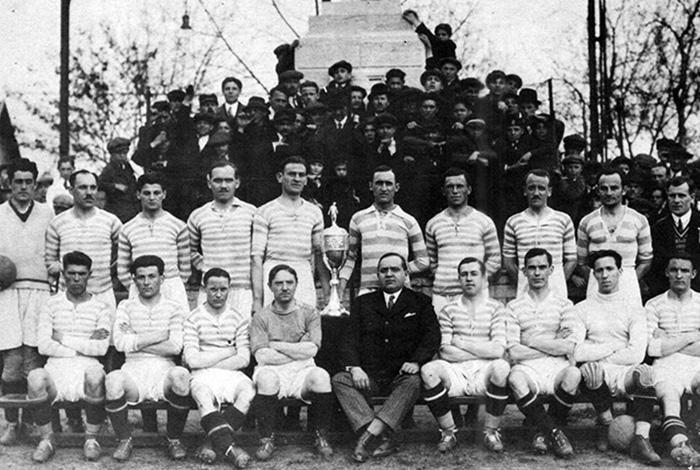
At grounds like Highbury, Villa Park, and Ibrox, authority relied on proximity and trust. Referees managed players through reputation rather than surveillance. Matches ending early due to light loss were accepted, even if results felt unresolved.
Football adapted to nature rather than commanding it.
The first floodlit experiments
Early floodlit matches appeared sporadically in the 1920s and 1930s, often as exhibitions rather than competitive fixtures. Clubs such as Arsenal and Chelsea experimented with evening games, mainly to attract working-class spectators unable to attend afternoon kick-offs.
These matches felt unusual. The ball moved differently. Shadows distorted depth. Players complained of glare and uneven illumination. Referees, too, struggled to adjust.
But something fundamental had changed: the match no longer depended on daylight.
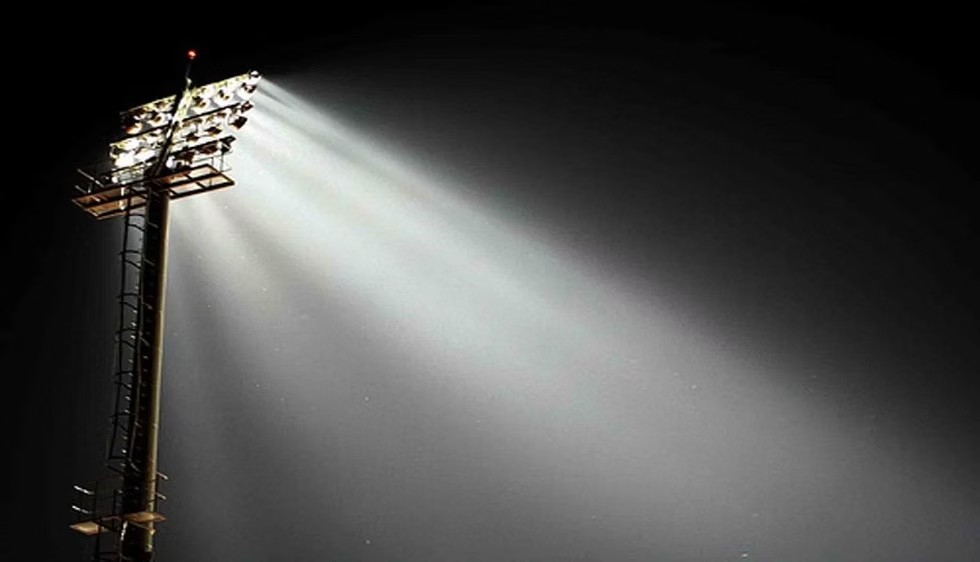
Referees under the lights
Floodlights transformed how referees operated. Clearer visibility extended their reach. Fouls previously hidden in shadow became visible. Off-the-ball incidents were harder to ignore. The referee’s whistle carried further in a quieter night atmosphere.
Authority became more centralised. The referee no longer shared control with conditions. He imposed it.
This shift mattered in leagues like the English First Division and later the European Cup, where floodlit matches became standard. Night games demanded consistency. Inconsistency was more visible — and less forgivable.
Crowds and power dynamics
Floodlights also altered crowd behaviour. Evening matches created different atmospheres. Alcohol consumption increased. Noise became more concentrated. Chanting rhythms changed under artificial light.
At grounds such as Anfield and St James’ Park, floodlights intensified the sense of enclosure. The referee stood under permanent observation, illuminated from all angles. Decisions were scrutinised instantly, not dissolved into dusk.
Authority became both stronger and more exposed.
Television and the exposed official
Floodlights made televised football possible. Without reliable lighting, night broadcasts could not exist. Once television entered the stadium, match authority extended beyond the referee to producers, commentators, and replay operators.
This fundamentally weakened the referee’s monopoly on truth.
Incidents could be replayed. Slow motion challenged judgment. Authority shifted from final decision to provisional ruling. Even before VAR, floodlights made post-match accountability unavoidable.
The referee still decided — but no longer alone.
Players adapt to the light
Players adjusted their behaviour accordingly. Under floodlights, dissent became riskier. Gestures were seen. Reactions captured. The theatrical aspects of fouling increased because visibility encouraged performance as much as punishment.
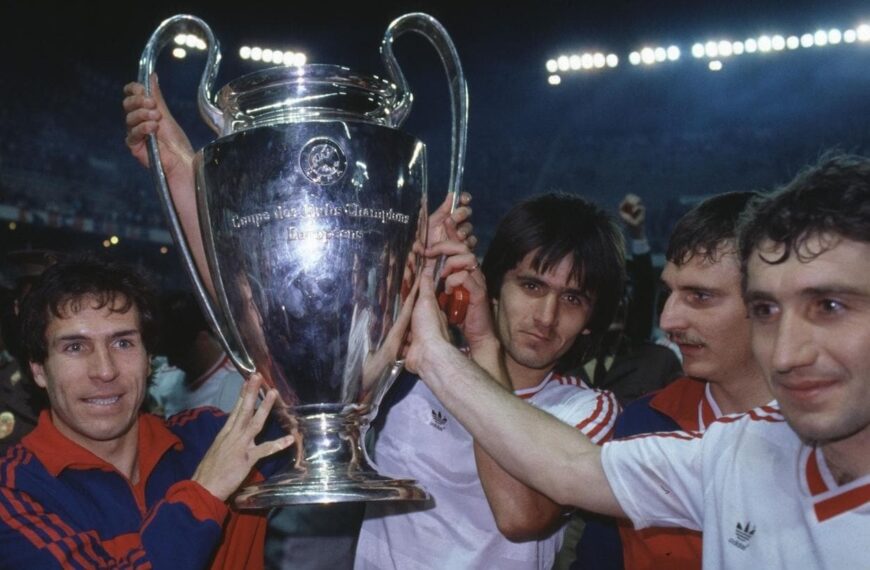
At clubs like Real Madrid, Inter, and Bayern Munich, night matches in European competition demanded emotional control. Referees, aware of television presence, enforced discipline more rigidly.
The lights changed how power was negotiated on the pitch.
Standardisation across competitions
Once floodlights became universal, football lost one of its great variables. Matches in Montevideo, Manchester, and Milan could now be played under near-identical conditions.
This standardisation strengthened institutional authority. UEFA, FIFA, and domestic leagues could regulate scheduling, broadcasting, and officiating uniformly.
Authority moved upward, away from local context and toward global governance.
The disappearance of negotiated endings
Floodlights eliminated ambiguity. Matches no longer ended because visibility failed. Time became absolute. Injury time expanded. Referees gained full control over duration.
This changed how players approached late-game tactics. Time-wasting became visible and punishable. Authority over time — the most valuable resource in football — transferred decisively to the official.
Darkness no longer intervened.
Why floodlights still matter
Floodlights are often discussed aesthetically — atmosphere, spectacle, romance. Their deeper impact was administrative and psychological. They professionalised authority, exposed decision-making, and removed environmental negotiation from the game.
Football became something to be managed, regulated, and broadcast — not simply played until the light ran out.
Authority in full view
Modern referees operate under constant illumination, literal and figurative. Every decision exists in permanent light. That reality began with floodlights, not technology.
By ending football’s dependence on daylight, floodlights quietly ended a shared authority between nature and referee. From that moment on, control belonged to the institutions — and to the person holding the whistle beneath the lights.


 By
By
https://shorturl.fm/9Uz3M
https://shorturl.fm/wWGfC
https://shorturl.fm/xEenq
https://shorturl.fm/8wVFi
https://shorturl.fm/Fl3Vs
https://shorturl.fm/IVhxE
https://shorturl.fm/l6W1a
https://shorturl.fm/alOuB
https://shorturl.fm/UiV33
https://shorturl.fm/ieaoD
https://shorturl.fm/72iuM
https://shorturl.fm/stkgm