
A team arriving at its peak
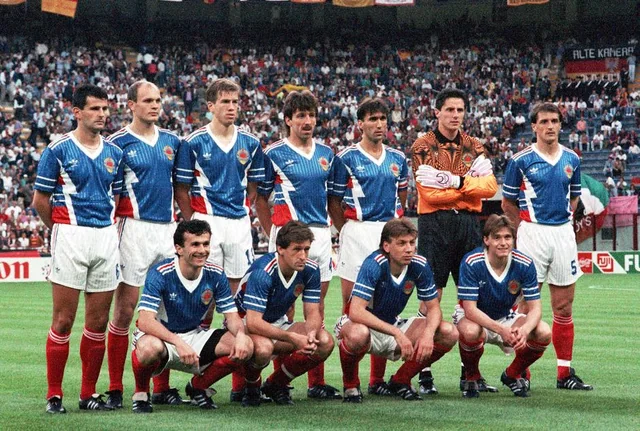
By the time the 1990 World Cup arrived, Yugoslavia were no longer a team of promise. They were a team of readiness. A generation that had matured together at club level and proven itself across Europe finally came together under Ivica Osim, a coach whose calm authority and tactical intelligence suited the moment perfectly.
The squad was stacked with quality. Players like Dragan Stojković, Dejan Savićević, Robert Prosinečki, Zvonimir Boban, and Darko Pančev were no longer prospects but established stars. They combined technical brilliance with experience, having tested themselves in elite leagues and European competitions. For once, Yugoslavia looked balanced, disciplined, and emotionally grounded.
There was a quiet confidence around the team. They were not tournament favourites, but few sides wanted to face them.
Osim’s steady hand
Ivica Osim’s importance cannot be overstated. At a time when Yugoslavia was politically unstable, he created an environment of trust and professionalism. Osim shielded players from external noise and focused relentlessly on footballing clarity. He encouraged expression but demanded responsibility.
Tactically, Yugoslavia were flexible. They could dominate possession or play on the counter. Midfield control was their greatest strength, with players comfortable rotating positions and dictating tempo. Unlike earlier Yugoslav sides, this team showed patience when matches became difficult.
Osim’s approach gave the squad something it had often lacked in the past: belief without arrogance.
A difficult start, then lift-off
Yugoslavia’s tournament began poorly with a narrow defeat to West Germany. Rather than panic, the team responded with composure. Victories over Colombia and the United Arab Emirates followed, securing qualification from the group stage.
As the tournament progressed, Yugoslavia grew stronger. Their football became sharper, movement more fluid, and confidence more visible. Prosinečki in particular emerged as one of the tournament’s standout players, combining elegance with decisiveness. Stojković orchestrated play with intelligence and calm authority.
For the first time in decades, Yugoslavia looked like a team capable of going all the way.
Argentina and cruel margins
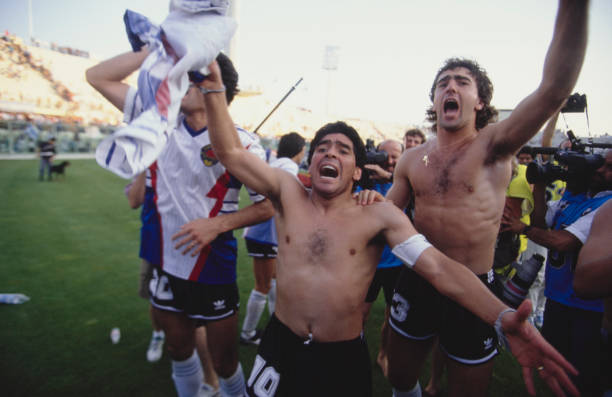
The quarter-final against Argentina remains one of the most painful chapters in Yugoslav football history. Argentina, defending champions led by Diego Maradona, were vulnerable and disjointed. Yugoslavia dominated possession, created chances, and controlled large periods of the match.
Then came the turning point. Refik Šabanadžović was sent off, leaving Yugoslavia with ten men. Even then, they continued to play with bravery and control. The match finished goalless after extra time, forcing a penalty shootout.
Yugoslavia missed three penalties. Argentina advanced. The margin between triumph and elimination was as thin as it had ever been.
Many observers believed Yugoslavia were the better side that night.
A team that never returned
That quarter-final would be Yugoslavia’s final World Cup match. Within a year, the country began to disintegrate. Political tensions hardened into conflict, and the shared footballing identity that had carried the team so far collapsed.
The players scattered. Some would represent newly independent nations, others would never play another major international tournament. Ivica Osim resigned amid the outbreak of war, famously stating that football no longer mattered while people were dying.
The dream ended not on the pitch, but in reality.
What might have been
Looking back, the 1990 World Cup feels like Yugoslavia’s final chance. The squad was young enough to improve and experienced enough to win. Euro 1992 awaited, with qualification already secured. Many believed this group could have become champions.
Instead, the team was frozen in time. Its story remains unfinished, preserved in highlight reels, memories, and speculation. Unlike other great teams that failed and tried again, Yugoslavia never returned.
This absence is what makes the 1990 side so haunting. They did not decline. They vanished.
A legacy defined by loss
The 1990 World Cup did not produce a trophy for Yugoslavia, but it produced something more enduring: a reminder of what was possible. The football played in Italy that summer showed a nation at its sporting peak, moments before political collapse.
For supporters, the memory is bittersweet. Pride in the football, sorrow in the outcome. The players represented not just a team, but the final expression of a shared identity.
Yugoslavia’s last World Cup dream ended quietly, on penalties, in Florence. The silence that followed would last forever.

 By
By