
A stadium built on uncertainty
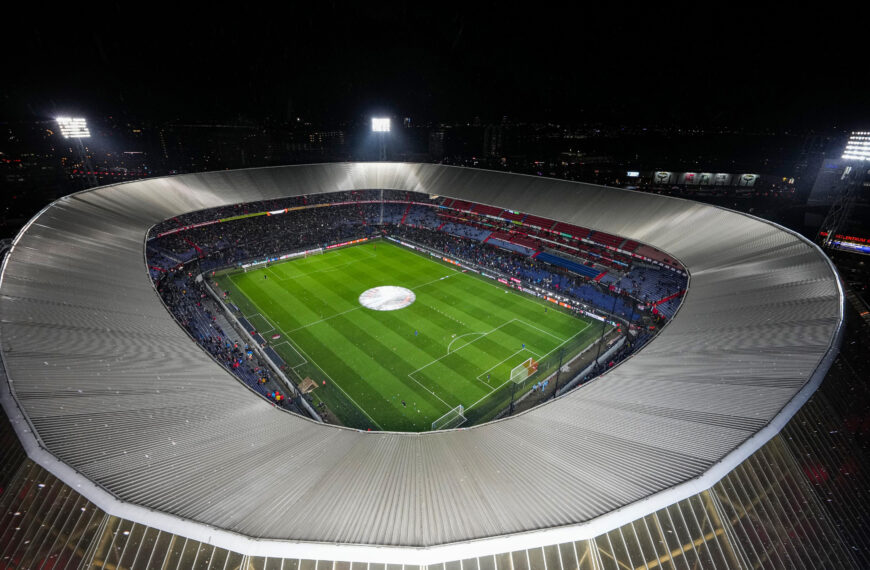
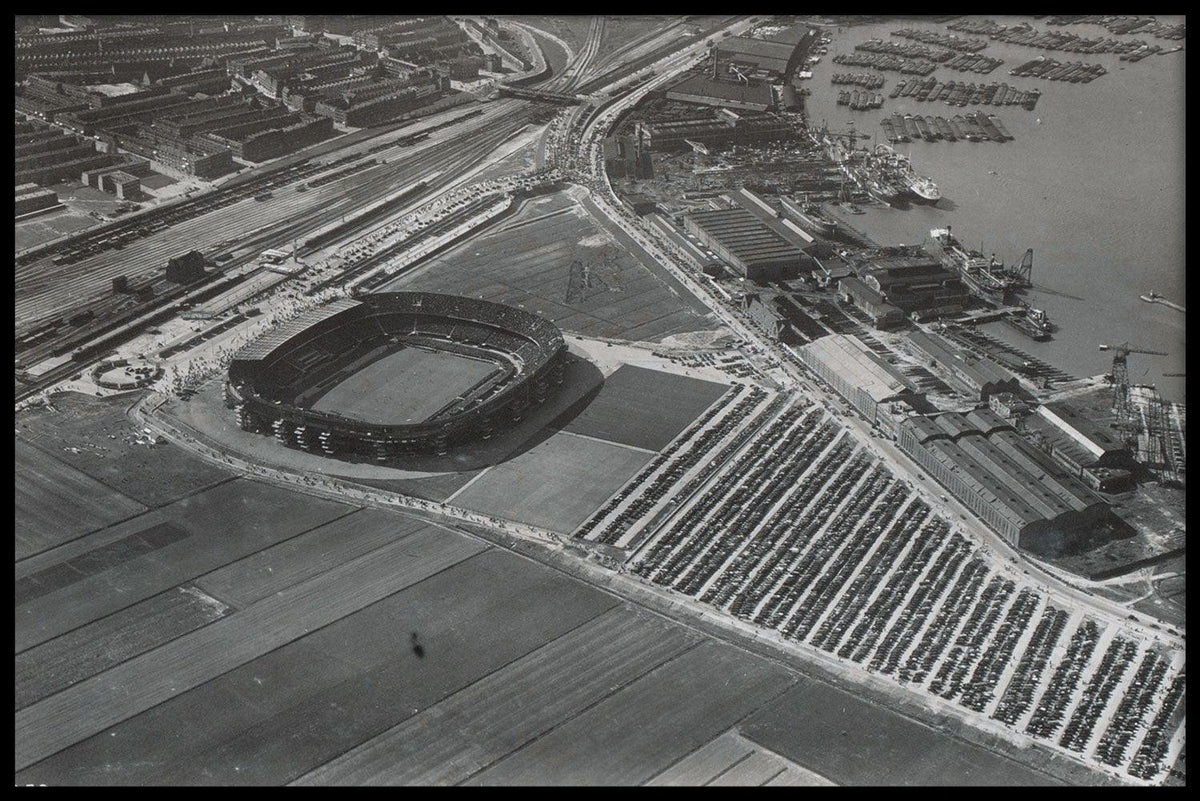
When Stadion Feijenoord, better known as De Kuip, opened in 1937, it was hailed as a triumph of modern engineering. Its exposed steel construction, sweeping curves, and lack of supporting columns placed it among Europe’s most advanced stadiums. Yet within three years, that same modernity would place it in danger. Built on the eve of the Second World War, De Kuip entered history not just as a football ground, but as a structure forced to survive occupation, scarcity, and political threat.
Steel in the shadow of war
De Kuip’s defining feature was its steel skeleton. Unlike older masonry stadiums, its design relied heavily on metal to create unobstructed sightlines and a sense of openness. During the German occupation of the Netherlands, this became a serious liability. Steel was a critical resource for the Nazi war effort, and large civilian structures across occupied Europe were stripped or dismantled to feed arms production. German authorities identified De Kuip as a potential source of valuable material, and plans were discussed to dismantle the stadium and repurpose its steel.
The proposal was not symbolic or theoretical. Similar actions had already occurred elsewhere, with church bells, railings, and industrial structures seized for scrap. De Kuip’s sheer scale made it an attractive target. That the stadium survived was due less to sentiment than circumstance: logistical difficulties, shifting priorities, and the reality that dismantling such a complex structure would require time and manpower Germany increasingly lacked. Even so, the threat lingered, and for years the stadium’s future was uncertain.
Football under occupation
During the occupation, football did not disappear, but it changed. Matches were played irregularly, attendance fluctuated, and travel restrictions limited competition. De Kuip remained standing, but it existed in a strange limbo, too valuable to destroy immediately yet too conspicuous to feel safe. For supporters, the stadium became a rare constant in a city marked by disruption. Rotterdam had been devastated by bombing in 1940, its centre reduced to ruins. De Kuip, on the city’s edge, stood intact — a reminder of a normal life that had vanished.
The stadium was occasionally repurposed, used for non-football gatherings and subject to military oversight. Its open design, once a symbol of progress, now made it vulnerable to surveillance and control. Still, it endured, largely unchanged, waiting for peace to return.
Survival by neglect
Ironically, De Kuip’s survival owed much to neglect. As the war dragged on, German authorities focused increasingly on immediate military needs rather than large-scale dismantling projects. The stadium’s size worked in its favour; taking it apart would have been a major operation for limited gain. By the time the occupation ended in 1945, De Kuip was worn but standing, having escaped the fate that befell so many steel structures of the era.
Its survival was not celebrated immediately. Post-war Rotterdam faced housing shortages, economic collapse, and rebuilding priorities far removed from football. Yet De Kuip’s continued existence meant Feyenoord and the city retained a ready-made gathering place, something rare in a landscape of destruction.
A post-war symbol
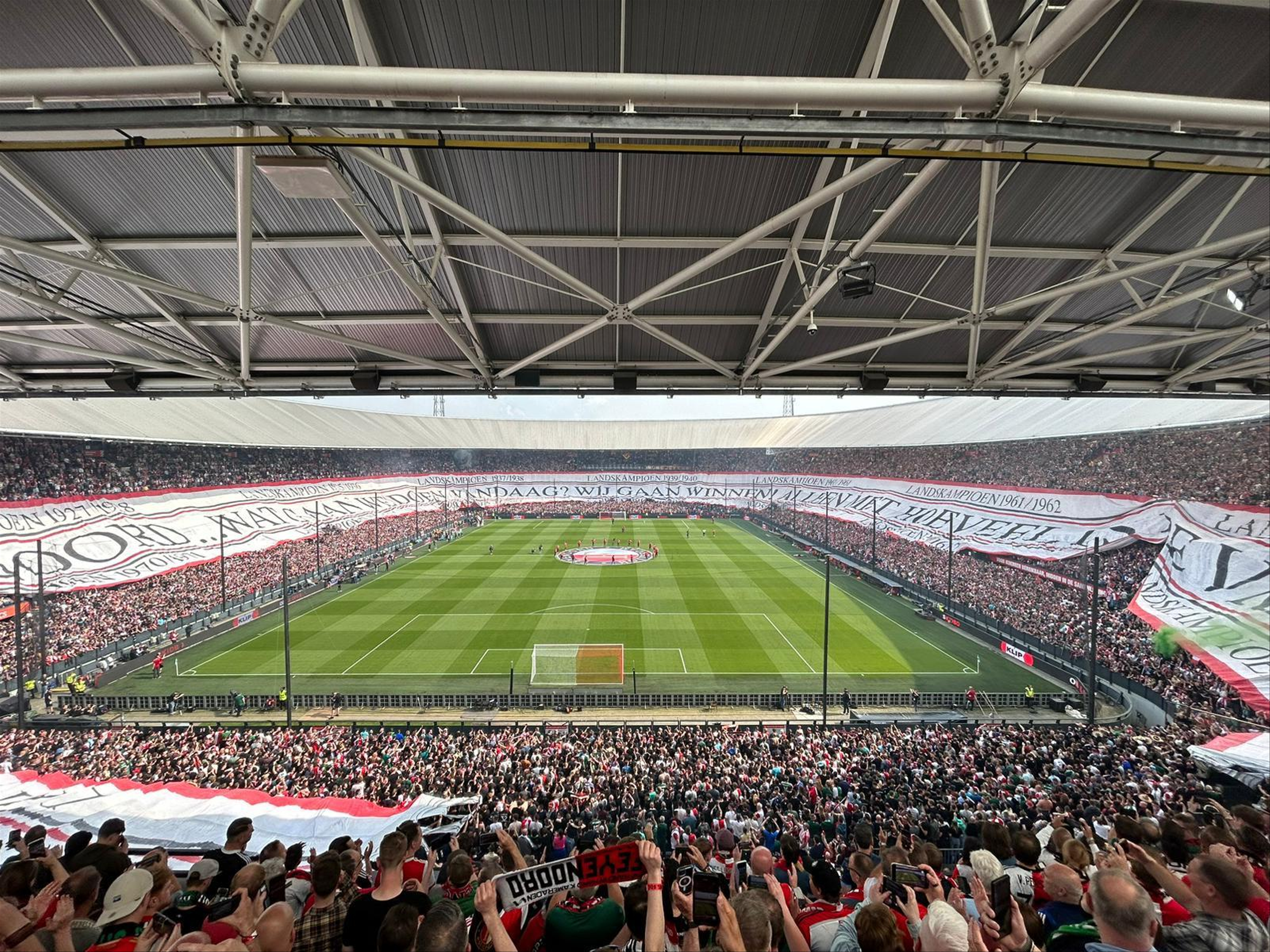
In the years after liberation, De Kuip took on new meaning. It was no longer just a stadium; it was a survivor. In a city rebuilt almost entirely from scratch, its familiar outline connected pre-war Rotterdam to the future. Football crowds returned, not simply for sport, but for shared experience. The stadium’s wartime endurance became part of its unspoken mythology, rarely formalised but deeply felt.
When Feyenoord rose to European prominence in later decades, De Kuip’s atmosphere was often described as intimidating, intense, and unyielding. Those qualities were shaped not only by supporters, but by history. The stadium had stood through threat and deprivation, and that resilience seeped into its identity.
Steel, memory, and meaning
Today, De Kuip is often discussed in terms of modernisation, replacement, or redevelopment. Yet its steel frame still carries the memory of a time when its very existence was at risk. That the Germans once considered dismantling it for scrap adds a layer of gravity to debates about its future. Unlike many stadiums, De Kuip was not merely outgrown by time — it was tested by it.
As a wartime structure, De Kuip represents more than architectural endurance. It embodies Rotterdam’s refusal to be erased, its survival shaped as much by chance as by will. In remaining standing, it became a vessel for memory, holding within its steel the story of a city, a club, and a game that endured when survival itself was uncertain.

 By
By