
The farmer who built a club
Riemer van der Velde was never meant to become one of Dutch football’s most influential club presidents. Born in 1942 in Bakkeveen, Friesland, he made his living not in boardrooms but on farmland, building a successful agricultural business before football ever entered his plans. Yet it was precisely this background — pragmatic, local, stubborn — that would shape SC Heerenveen’s most transformative era.
When Van der Velde became chairman of Heerenveen in 1983, the club existed firmly on the margins of Dutch football. Friesland had passion, identity, and loyalty, but little success to show for it. Professional football felt distant, almost foreign, to a province defined by rural life and cultural independence. Van der Velde would change that, slowly and methodically.
A chairman from the stands
Unlike many modern chairmen, Van der Velde never projected glamour or authority. He was approachable, blunt, and often visibly uncomfortable with football politics. Yet this authenticity earned trust — from supporters, players, and local sponsors alike. He understood that Heerenveen could never compete financially with the national giants. Survival would depend on stability, patience, and community.
One of his earliest decisions was to anchor the club more deeply in Frisian identity. The use of the Frisian flag, language, and symbolism was not marketing gimmickry but cultural affirmation. Heerenveen was not trying to imitate Feyenoord, Ajax or PSV. It would be unmistakably itself.
This sense of belonging became Heerenveen’s strongest asset.
The long road to the Eredivisie
Progress under Van der Velde was gradual to the point of frustration. For years, Heerenveen hovered in the Eerste Divisie, close enough to dream, far enough to fall back. Many chairmen would have gambled — overspending, chasing promotion recklessly. Van der Velde refused.
Instead, infrastructure came first. Training facilities were improved, youth scouting expanded, and finances kept deliberately conservative. Losses were avoided almost obsessively. This patience was tested repeatedly, especially during painful promotion failures in the early 1990s.
Then, in 1993, Heerenveen finally reached the Eredivisie.
Promotion did not trigger celebration alone — it validated a philosophy. Heerenveen belonged, not because of luck, but because it had been built correctly.
Abe Lenstra Stadion and a new era
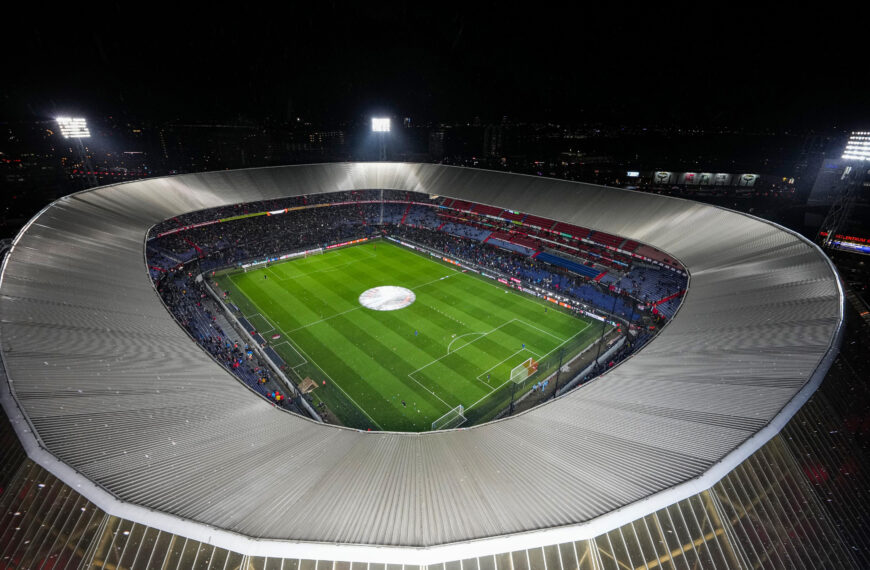
Perhaps Van der Velde’s most visible legacy is the stadium that bears Heerenveen’s soul: the Abe Lenstra Stadion. Opened in 1994, it replaced the outdated Sportpark Noord and symbolised the club’s new permanence at the top level.
Named after Friesland’s greatest footballing son, Abe Lenstra, the stadium was more than concrete and seats. It was a declaration of intent. Heerenveen was no longer a temporary visitor to professional football; it had a home worthy of it.
Van der Velde insisted the stadium remain intimate rather than grandiose. Capacity matched demand. Debt was avoided. Expansion would only come when justified. Once again, restraint proved wiser than ambition.
Talent without temptation
Under Van der Velde, Heerenveen became a gateway club — a place where talent could develop without suffocating expectation. This approach attracted players overlooked elsewhere: Ruud van Nistelrooy, Jon Dahl Tomasson, Afonso Alves, Klaas-Jan Huntelaar.
The chairman resisted the urge to hold stars too long or sell them too quickly. Transfers were calculated, reinvested sensibly, and rarely destabilising. Heerenveen became respected across Europe as a club that honoured agreements and treated players fairly.
In a football landscape increasingly driven by speculation and debt, this reputation mattered.
European nights in Friesland
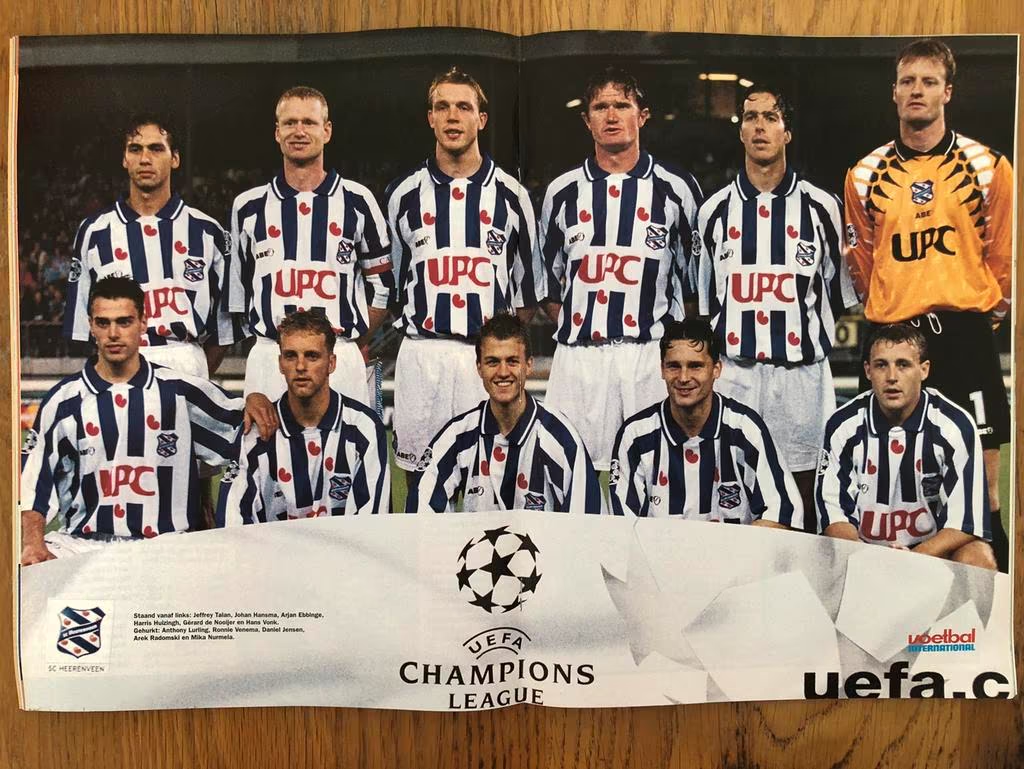
Perhaps the most improbable chapter of Van der Velde’s reign came at the turn of the millennium. In the 1999–2000 season, Heerenveen finished second in the Eredivisie, qualifying directly for the Champions League.
For a provincial club from the Dutch north, it bordered on the surreal.
Champions League nights at the Abe Lenstra Stadion brought Arsenal, Valencia, and Lazio to Friesland. Though results were modest, the symbolism was immense. Heerenveen had crossed a boundary few believed possible.
Van der Velde treated the achievement with typical understatement. No grand claims followed. No reckless spending spree. European football was a milestone, not a destination.
Power without control
Despite his influence, Van der Velde never behaved like an owner. He delegated authority, trusted professionals, and avoided micro-management. Managers were given time. Mistakes were tolerated. Stability was prioritised over reaction.
This approach occasionally attracted criticism. Some accused him of being too loyal, too cautious, too slow to act. Yet Heerenveen avoided the cycles of crisis that plagued similarly sized clubs.
Under his watch, relegation was rare, financial disaster nonexistent, and identity intact.
The end of an era
In 2006, Riemer van der Velde stepped down after 23 years as chairman. By then, Heerenveen had become one of the Eredivisie’s most stable institutions — not powerful, not glamorous, but deeply respected.
His departure marked more than a change in leadership. It signalled the end of a uniquely local era in Dutch football, one where community figures could shape clubs through patience rather than capital.
In later years, Heerenveen would struggle to maintain the same balance. Football changed. Ownership models shifted. The margins tightened. Yet Van der Velde’s blueprint remains the club’s moral reference point.
A stand named in silence
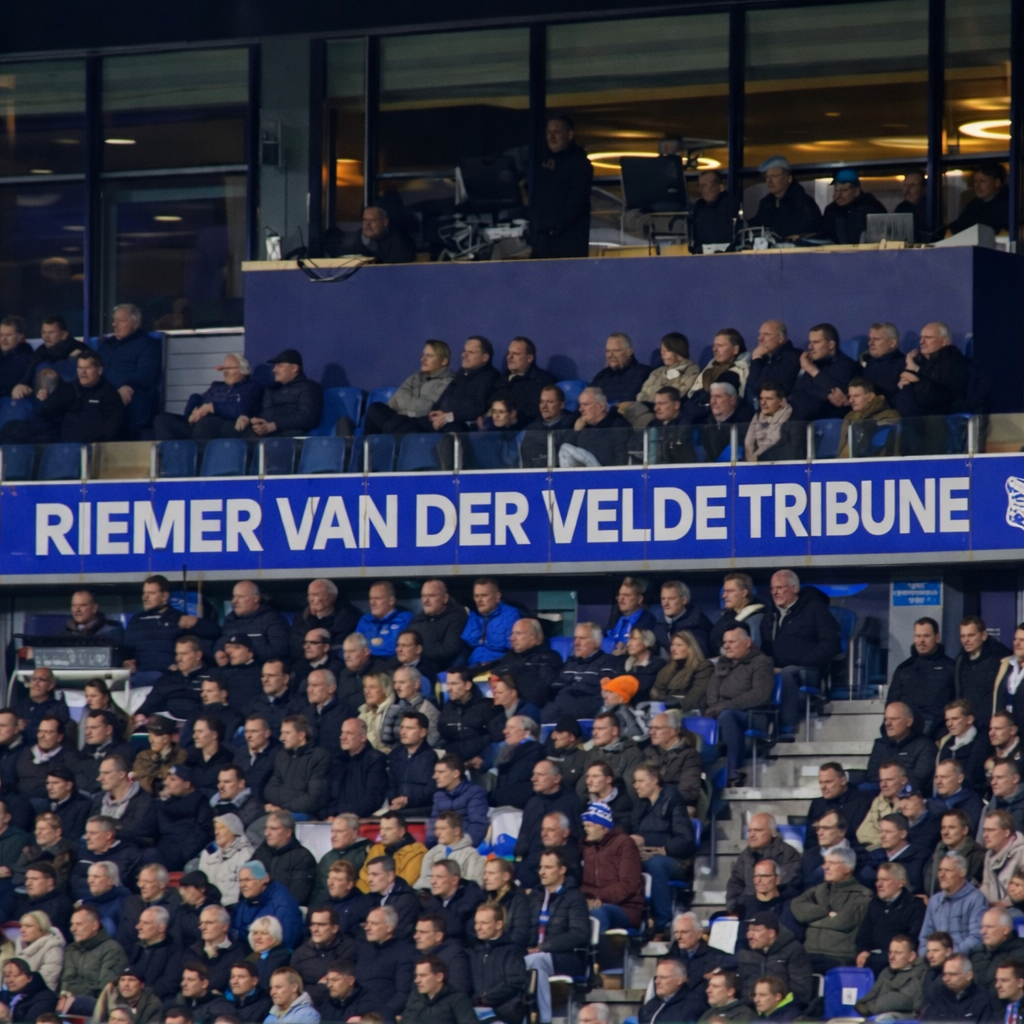
Today, the Riemer van der Velde Tribune sits quietly inside the Abe Lenstra Stadion. It does not dominate. It does not demand attention. Much like the man himself.
His legacy is not measured in trophies but in continuity. In a sport obsessed with acceleration, Riemer van der Velde proved that slow growth, cultural honesty, and financial discipline could still produce something rare: belonging.
He did not chase football’s future. He protected its foundations.

 By
By