
A club left without its language
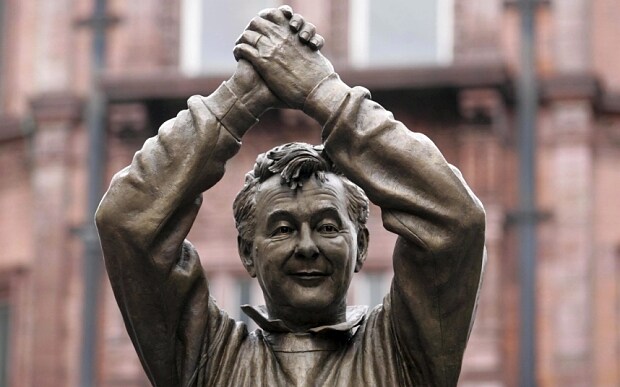
When Brian Clough left Nottingham Forest in 1993, he did not just leave a managerial vacancy. He took with him the language the club had spoken for nearly two decades. Forest had been shaped so completely by Clough’s authority, instincts, and contradictions that imagining the club without him felt abstract. Few institutions in European football had been so thoroughly personalised.
What followed was not immediate collapse, nor sustained recovery. It was something more difficult: a long, uneven attempt to exist independently of a figure who had defined everything.
The shadow Clough left behind
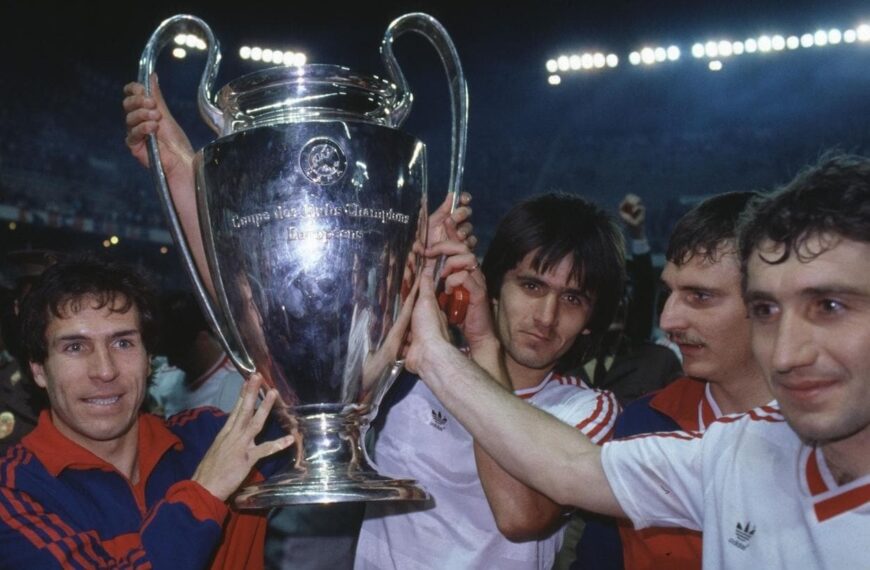
Clough’s Forest was not simply successful — it was coherent. Promotion from the Second Division, two European Cups, a league title, domestic trophies, and a clear footballing identity bound together by his presence and that of Peter Taylor before him.
By the early 1990s, however, the success had faded. Forest were relegated in 1993, the same year Clough stepped away. His final team still featured players like Stuart Pearce, Roy Keane, and Nigel Clough, but the energy was gone. The game had changed, and Clough no longer wished to change with it.
His departure was inevitable. Replacing him was not.
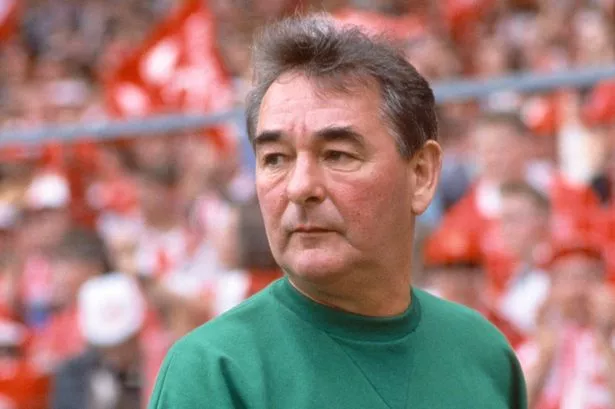
Frank Clark and borrowed continuity
Forest turned first to Frank Clark, a former Clough player, as caretaker and then permanent manager. The choice reflected institutional fear rather than ambition. Clark was familiar. He would not challenge the mythology.
Initially, the approach worked. Forest were promoted immediately and finished third in the 1994–95 Premier League, qualifying for the UEFA Cup. Players like Stan Collymore flourished. The football was direct, energetic, and effective.
But this was continuity by imitation. When Collymore was sold to Liverpool, the fragility surfaced. Without Clough’s authority or Taylor’s recruitment instincts, Forest struggled to replace quality efficiently. Clark was dismissed in 1996.
The post-Clough era had begun properly.
Managerial churn and lost direction
What followed was a cycle that would define Forest for decades: short-term appointments, brief optimism, and structural drift. Dave Bassett, Ron Atkinson, David Platt, and Paul Hart each tried to impose order, but none stayed long enough to redefine the club.
Relegation returned. Promotion followed. Relegation returned again.
Forest became a club trapped between self-image and reality. They still saw themselves as European royalty, but operated like a provincial side without modern infrastructure.
The changing Football League landscape
Forest’s decline cannot be understood without context. English football after the Premier League’s formation rewarded scale, investment, and global branding. Clubs like Manchester United, Arsenal, and later Chelsea moved into a different economic orbit.
Forest did not.
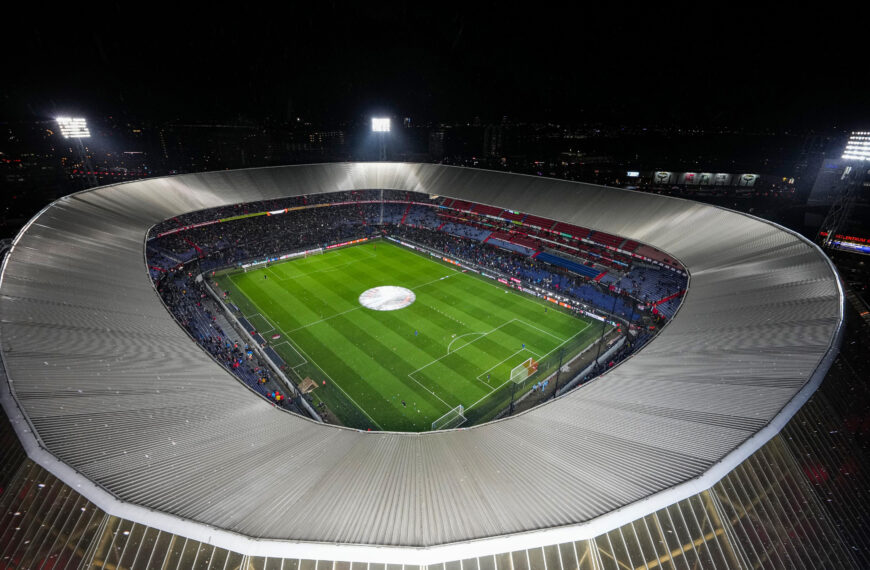
The City Ground remained atmospheric but outdated. Revenue lagged. Recruitment relied increasingly on loans and short-term fixes. Youth development, once a strength, became inconsistent.
Forest were not uniquely mismanaged — but they were uniquely burdened by expectation.
Living with memory
Supporters continued to sing Clough’s name, not in protest, but in mourning. Every new manager was compared to him. Every tactical deviation felt like betrayal. The club’s greatest asset became its heaviest weight.
Other fallen giants — Leeds United, Aston Villa, Sheffield Wednesday — experienced similar cycles. Forest’s difference was that their peak had been so improbable that it resisted normal decline narratives.
They were not supposed to be ordinary again.
False dawns and near misses
The late 1990s and early 2000s offered moments of hope. Promotion under David Platt in 1998 briefly returned Forest to the Premier League, but relegation followed immediately. Paul Hart steadied the club and reached the Championship play-offs, but fell short.
Each near miss reinforced a sense of limbo. Forest were no longer collapsing, but not advancing either.
The club survived, but did not progress.
Ownership instability and identity drift
As English football entered the era of foreign ownership and aggressive investment, Forest experienced instability rather than transformation. Ownership changes promised ambition but delivered inconsistency. Recruitment strategies shifted yearly. Managers were hired to chase promotion, then dismissed before foundations could form.
Forest became reactive rather than strategic.
The Clough era had been built patiently, against expectation. The post-Clough era chased shortcuts that rarely aligned with the club’s actual capacity.
Why Forest struggled to move on
Nottingham Forest’s difficulty after Brian Clough was not simply about replacing a great manager. It was about replacing a worldview. Clough centralised decision-making, protected players, deflected pressure, and created a moral hierarchy inside the club.
Modern football does not permit that concentration of authority.
Forest had to become a normal club — with departments, analytics, commercial priorities, and long-term planning. Accepting normality proved harder than enduring failure.
A slow recalibration
Only decades later did Forest begin to reframe their identity, not as Clough’s heirs, but as a club with history rather than history as a plan. Survival in the Championship, gradual rebuilding, and eventual return to the Premier League underlined that recovery was possible without resurrection.
The club did not rediscover Clough’s magic. It learned to exist without it.
Why the post-Clough years matter
Nottingham Forest after Brian Clough matter because they show what happens when success is too total to be replicated. The years that followed were not a disgrace. They were a reckoning.
Forest did not fail because Clough left. They struggled because his presence had delayed the need to evolve.
In the end, the club survived by accepting that the greatest era would remain unmatched — and that survival itself was a form of continuity.

 By
By