
A domestic competition ahead of its time
For much of the 20th century, the Yugoslav First League was one of Europe’s most competitive and technically advanced domestic competitions. While it rarely attracted the global attention of leagues in England, Italy, or Spain, those inside football understood its importance. Yugoslavia’s league functioned as both a finishing school for elite players and a tactical laboratory, producing footballers who would later shape European football at the highest level.
Formed after the Second World War, the league quickly developed a reputation for quality. Clubs were spread across the federation, ensuring regional balance and intense rivalries. Matches were fast, physical, and technically demanding. Young players were trusted early, and attacking football was encouraged. The league became a proving ground where flair was not only tolerated but expected.
Clubs that defined an era
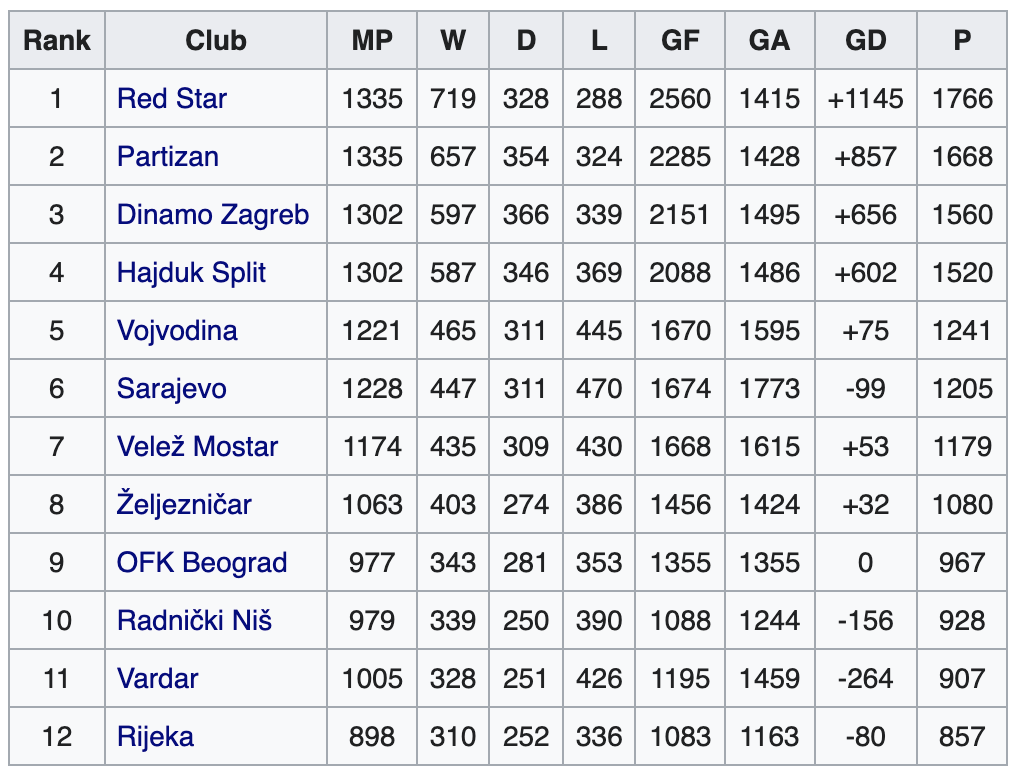
Several clubs dominated the Yugoslav First League, each carrying a distinct identity. Red Star Belgrade and Partizan Belgrade stood at the centre, their rivalry becoming one of the fiercest in European football. Their matches were not only sporting events but cultural statements, reflecting deeper social and political tensions within the capital.
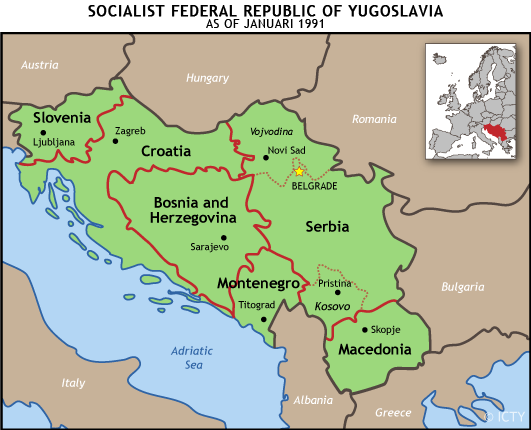
Beyond Belgrade, clubs like Dinamo Zagreb, Hajduk Split, Željezničar Sarajevo, and Velež Mostar played crucial roles. These teams represented cities with strong local identities and produced players who would later star internationally. The league’s strength came from this diversity. There was no single dominant region, and away fixtures were notoriously difficult.
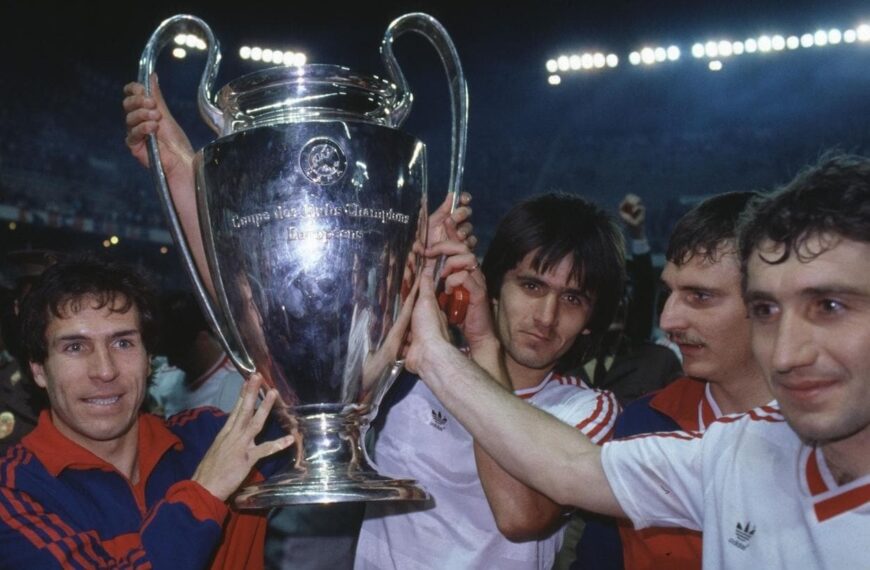
European competition success reinforced the league’s reputation. Yugoslav clubs regularly reached the latter stages of continental tournaments, often eliminating wealthier opponents. Red Star Belgrade’s European Cup triumph in 1991 was the pinnacle, but it was not an isolated achievement. It was the culmination of decades of domestic excellence.
A factory for elite footballers
The Yugoslav league’s greatest contribution to football was its players. Coaching systems prioritised technique, intelligence, and adaptability. Training focused on ball control and spatial awareness rather than rigid systems. Players were encouraged to read the game, improvise, and take responsibility.
As a result, Yugoslavia produced midfielders and attackers admired across Europe. Footballers like Safet Sušić, Dragan Stojković, Dejan Savićević, Robert Prosinečki, and Zvonimir Boban all developed within the league before becoming stars abroad. Defenders and goalkeepers were equally respected for their composure and tactical understanding.
Unlike many leagues of the time, Yugoslavia did not hoard its talent. Players were allowed to leave once they reached maturity, often strengthening top clubs in Italy, Spain, France, and Germany. This outward flow enhanced the league’s reputation rather than diminishing it, as former Yugoslav players consistently performed at the highest level.
Supporters, stadiums, and atmosphere
The Yugoslav First League was as much about atmosphere as ability. Stadiums were packed, noisy, and emotionally charged. Supporter groups formed early and developed identities that still exist today. Chants, banners, and choreographed displays became central to matchday culture.
These environments were intense for visiting teams. Hostility could be overwhelming, yet it also hardened players mentally. Many former professionals later credited Yugoslav away matches as some of the toughest experiences of their careers. Playing in front of demanding crowds shaped resilient, fearless footballers.
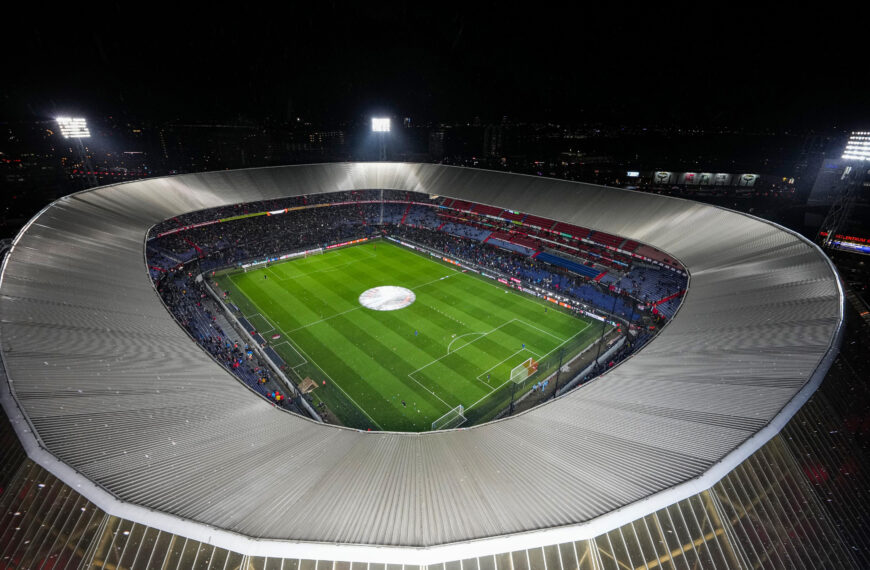
Stadiums themselves became landmarks. Grounds like Marakana in Belgrade and Poljud in Split were symbols of local pride. Football was woven into daily life, and league matches were major social events across the federation.
Cracks beneath the surface
Despite its success, the Yugoslav league was not immune to the country’s growing instability. By the late 1980s, political tensions increasingly spilled into football. Matches became arenas for nationalist expression, and rivalries took on sharper edges. What had once been symbolic competition slowly transformed into something more dangerous.
Financial issues also began to emerge. Economic decline affected clubs unevenly, and disparities grew. While top teams remained strong, others struggled to maintain infrastructure and youth development. The league was still producing talent, but the foundations were weakening.
The infamous riot at Maksimir Stadium in 1990, during a match between Dinamo Zagreb and Red Star Belgrade, became a symbol of football reflecting political reality. The league continued, but its unity was fractured.
The sudden end
The collapse of Yugoslavia brought an abrupt end to the league. As republics declared independence and conflict escalated, a unified competition became impossible. The Yugoslav First League disappeared almost overnight, replaced by separate national leagues with smaller markets and reduced resources.
This sudden fragmentation had lasting consequences. Where once players tested themselves weekly against elite opposition, many now competed in weaker domestic environments. Financial instability forced clubs to sell talent earlier, disrupting development cycles. European success became harder to achieve.
Perhaps most significantly, the shared footballing culture that had shaped generations was lost. Coaching philosophies diverged, infrastructure suffered, and the collaborative ecosystem vanished.
A legacy that still shapes Europe
Despite its disappearance, the Yugoslav league’s influence remains visible. Many of Europe’s most successful players and coaches trace their roots to this competition. Tactical ideas, youth development methods, and playing styles spread across the continent through former Yugoslav professionals.
Successor nations have achieved notable moments, particularly Croatia’s World Cup runs, but these achievements often highlight what once existed collectively. The Yugoslav league was greater than the sum of its parts. Its strength lay in scale, diversity, and internal competition.
Today, the league is remembered with reverence and regret. It was not merely a domestic competition but a footballing ecosystem capable of competing with Europe’s best. Its disappearance was not the result of sporting decline, but of history intervening at its peak.
The Yugoslav First League did not fade away. It was cut short. That is why it continues to fascinate, remembered not for what it lost, but for how much it gave to football before it ended.

 By
By